Type in your search and hit Enter on desktop or hit Go on mobile device
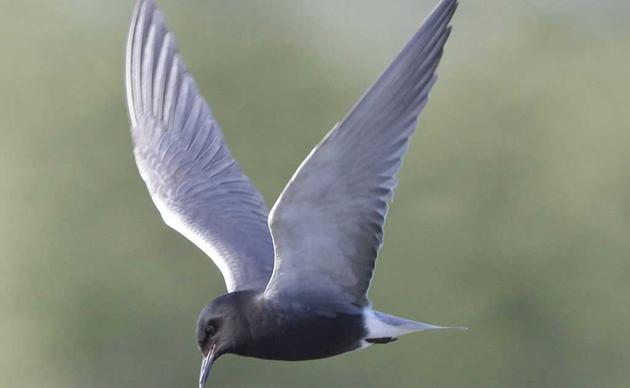
Photo: Camilla Cerea / Audubon
Attributable to Audubon Great Lakes’ Freshwater Policy Director, Brian Vigue

SB 222 empowers local governments to restore wetlands before flooding events occur
The Migratory Birds of the Americas Conservation Enhancements Act Moves to the Full House for Approval
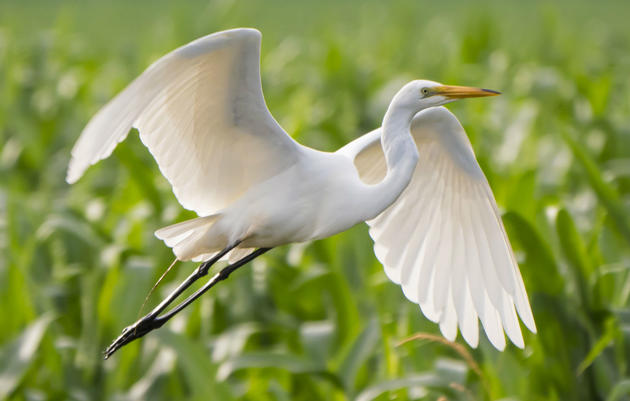
A message from the Audubon Great Lakes team regarding programming, state office, and center guidance and closures to keep you informed and up-to-date during this challenging time.
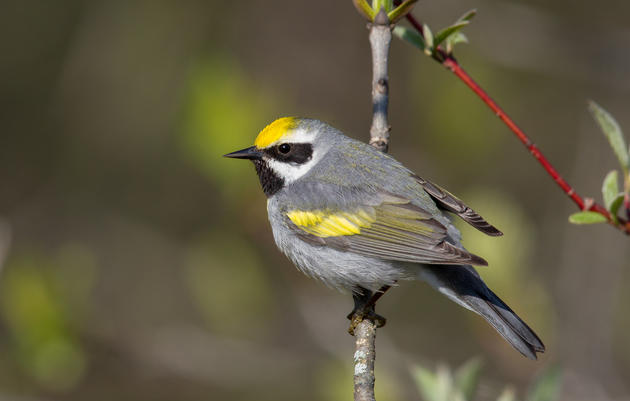
A dedicated space for Audubon Great Lakes network to experience and explore birds safely and from the comfort of your home. Transport yourself into the world of Great Lakes' birds and spring migration today.
Holding 20% of the world’s fresh water within more than 10,000 miles of shoreline, the Great Lakes are a globally significant ecosystem. Millions of migratory birds depend on coastal habitats along the Great Lakes for shelter, rest, and nourishment for their long journeys. Thousands of raptors, waterfowl, and wetland birds rely on the Great Lakes systems for safe nesting grounds. Yet, coastal development, climate change, and destructive invasive species threaten the coastal systems that support this great range of bird species – from the little Piping Plover to the magnificent Bald Eagle.
Audubon is creating a cohesive strategy across the region to address these threats to the birds of the Great Lakes. With more than 3,000 miles of shoreline in Michigan alone, the greatest conservation opportunity is the active restoration and protection of coastal habitats. By analyzing historical data, modeling bird populations, and engaging our chapters and members, Audubon will map out a detailed plan for how to best conserve indispensable coastal areas. Focused restoration and habitat management is essential to protect and recover ecological systems that support bird species. Active stewardship of habitats by Great Lakes Audubon chapters will play a key role in sustaining the health of these areas over time.
A regional office of the National Audubon Society, Audubon Great Lakes manages conservation work throughout the region to protect and improve habitat critical for birds during their migration and nesting cycles, and we build networks of volunteers and advocates for the natural environment. Within the National Audubon Society’s network, Audubon Great Lakes is viewed as a leader in building communities of volunteer scientists and conservationists that take the lead in advocating for and managing the ecosystems that birds need to thrive.
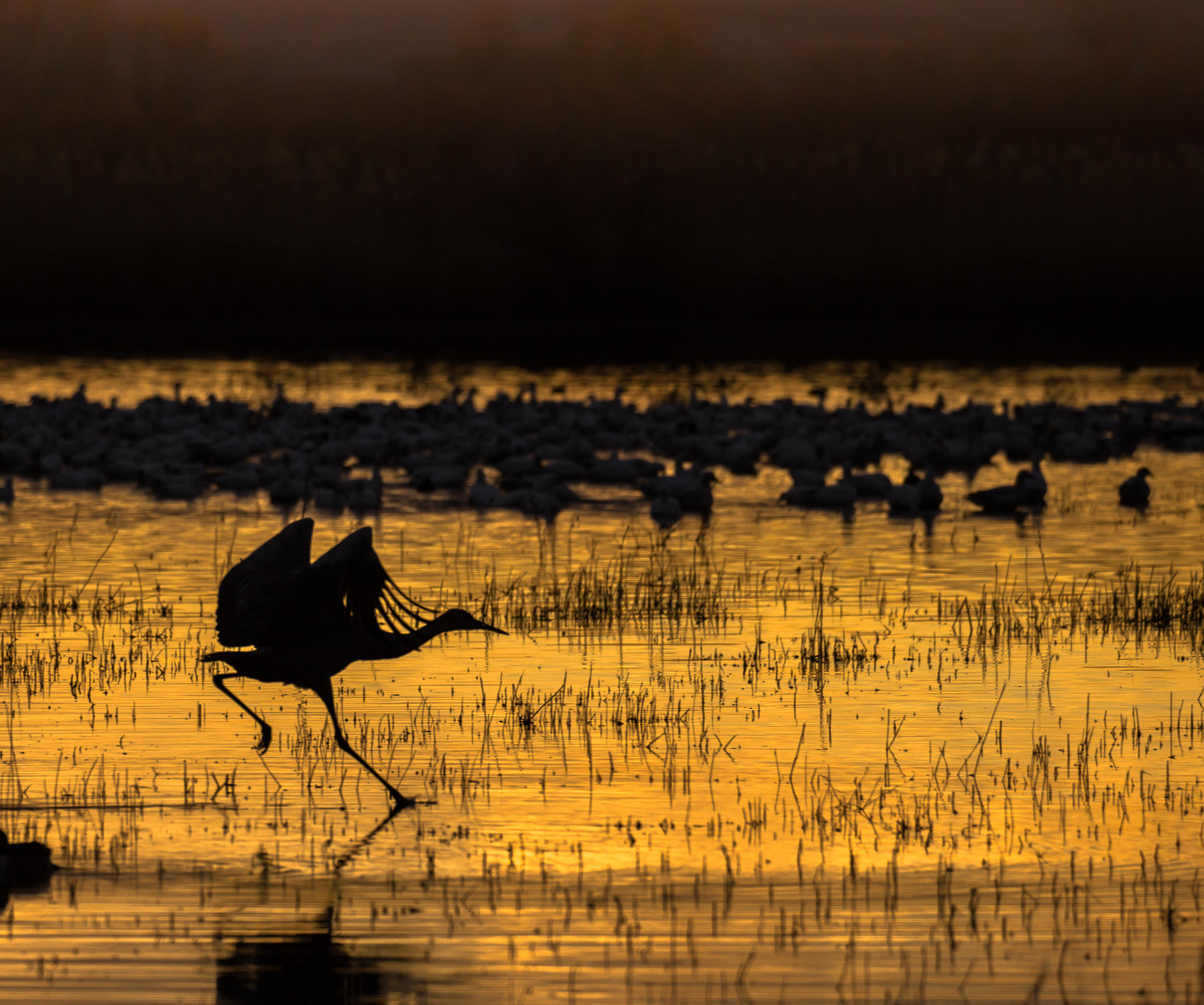
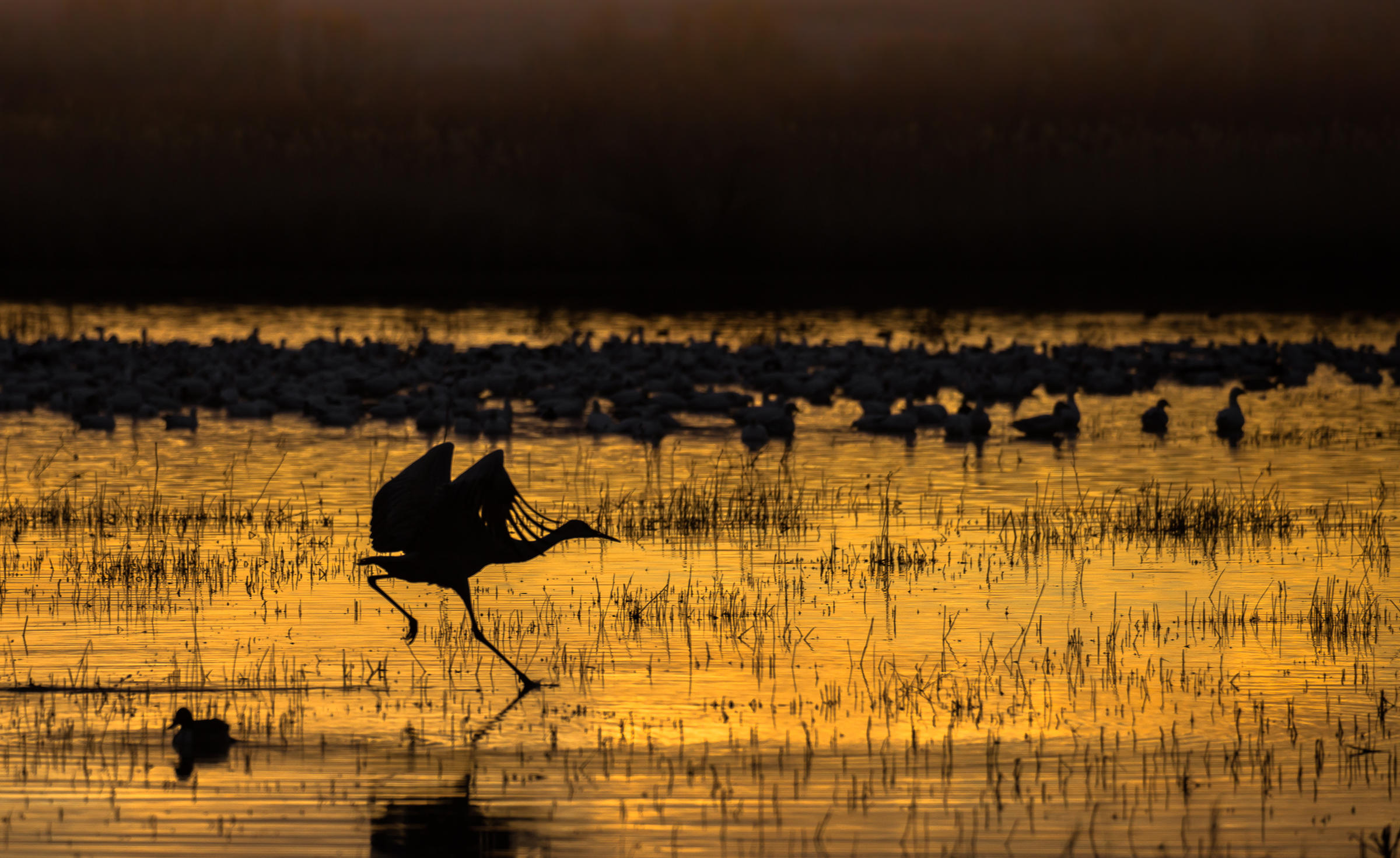
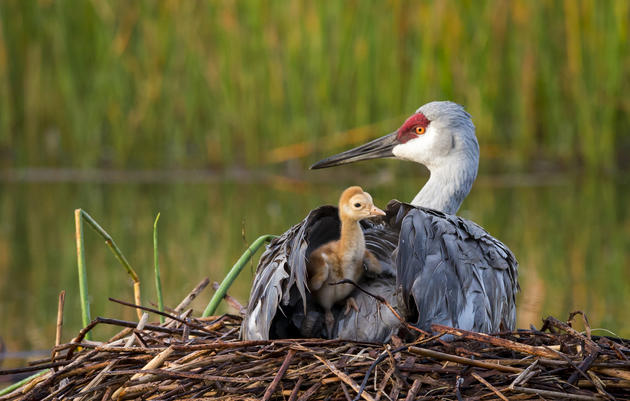
Sandhill Crane. Photo: Steve Torna/Audubon Photography Awards
With your support, we will continue building a culture of conservation throughout all communities by engaging people in protecting birds and their habitats.
Audubon chapters create a culture of conservation in local communities through education and advocacy, focusing on the conservation of birds and conservation of important habitats.

Help secure the future for birds at risk from climate change, habitat loss and other threats. Your support will power our science, education, advocacy and on-the-ground conservation efforts.